
Problem: Fresh bread is amazing, but it gets stale so fast. Agitation: We all hate throwing away bread! Solution: What if bakeries could keep their bread fresher, longer?
The best way to store bakery bread involves modified atmosphere packaging, freezing, and the use of emulsifiers. Proper temperature control and sanitation practices are also key to extending shelf life and preventing mold.
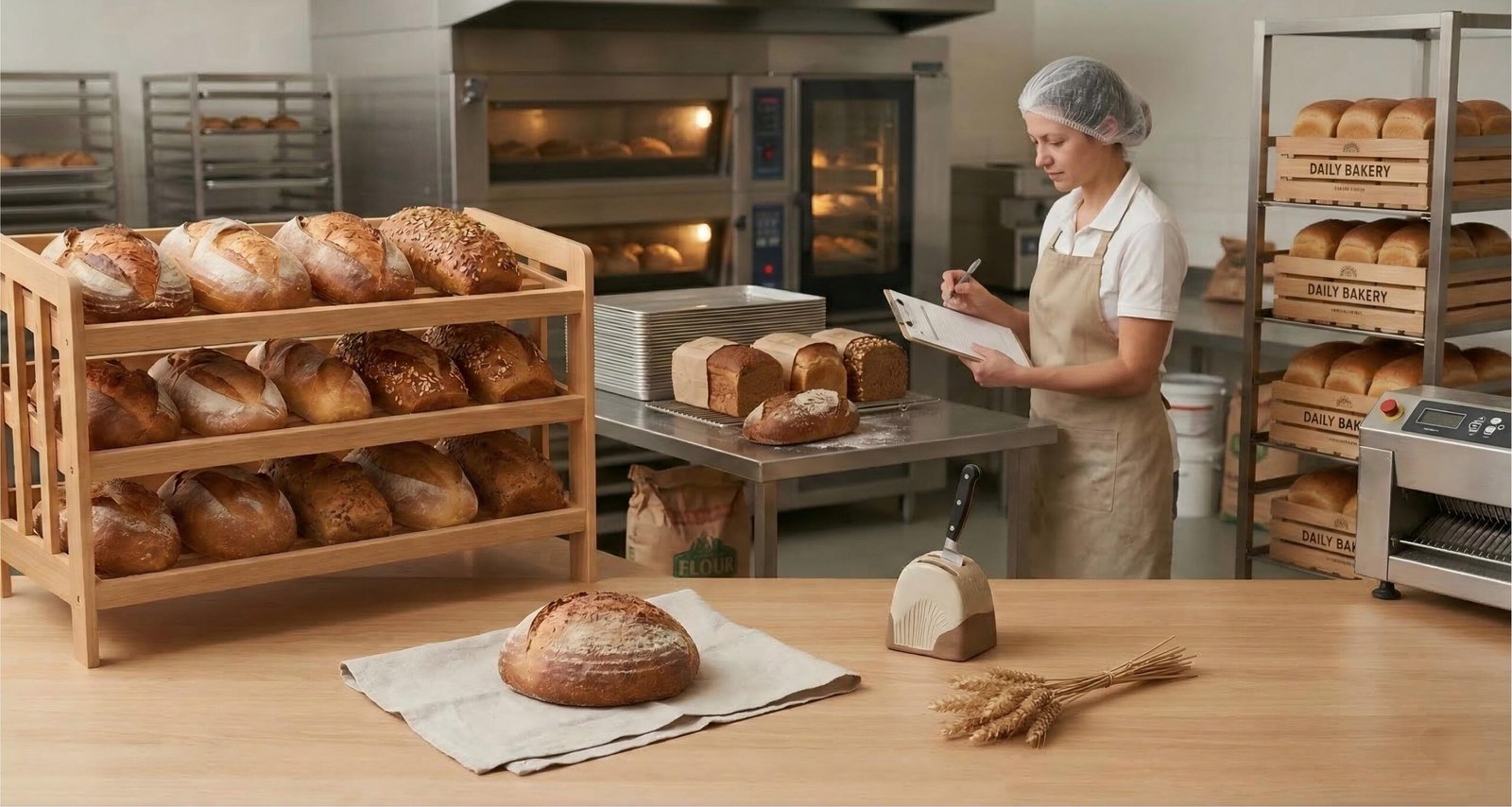
So, how do bakeries actually do this? Let’s explore the secrets to keeping that perfect bakery freshness.
What is the best way to store bakery bread?
Problem: You bought a beautiful loaf of bread, but you are not sure what is the best way to store it. Agitation: You are afraid it will be stale tomorrow! Solution: There are several ways to make sure you can enjoy your bread for days.
The best way to store bakery bread depends on how long you need to keep it. For short-term storage, use a linen bread bag at room temperature. For longer storage, freezing is a great option.
When I am thinking about storing bread, I think about how my Chinese factories make bread, we need to consider several factors. Modified Atmosphere Packaging (MAP) is one method that we use. MAP involves changing the air around the bread inside the packaging. We often use gas mixtures like carbon dioxide and nitrogen. These gases help to slow down mold growth and prevent the bread from going bad due to oxidation.
Another common method is freezing the bread. Freezing stops microbes from growing and also slows down staling. It’s like putting the bread into a state of sleep. This is a very effective way to keep bread fresh for weeks or even months. To slow down staling, bakeries often use emulsifiers and enzymes in their bread recipes. Staling happens when starch molecules in the bread change over time, making the bread hard and dry. Emulsifiers and enzymes help to keep water in the bread, maintaining its soft texture.
Temperature control is also very important. Keeping bread in the fridge can actually make it go stale faster. It’s best to store bread at around 68°F (20°C) for the first day or two. Also, keeping the bakery clean is very important. Cleanliness prevents mold from contaminating the bread after it’s baked.
What do bakers put in bread to make it last longer?
Problem: Bakery bread seems to stay fresh longer than homemade bread. Agitation: What’s their secret? Solution: Bakers use special ingredients and techniques to extend bread’s shelf life.
Bakers use emulsifiers, enzymes, and preservatives to make bread last longer. These ingredients help to slow down staling and prevent mold growth, keeping the bread fresh and soft.
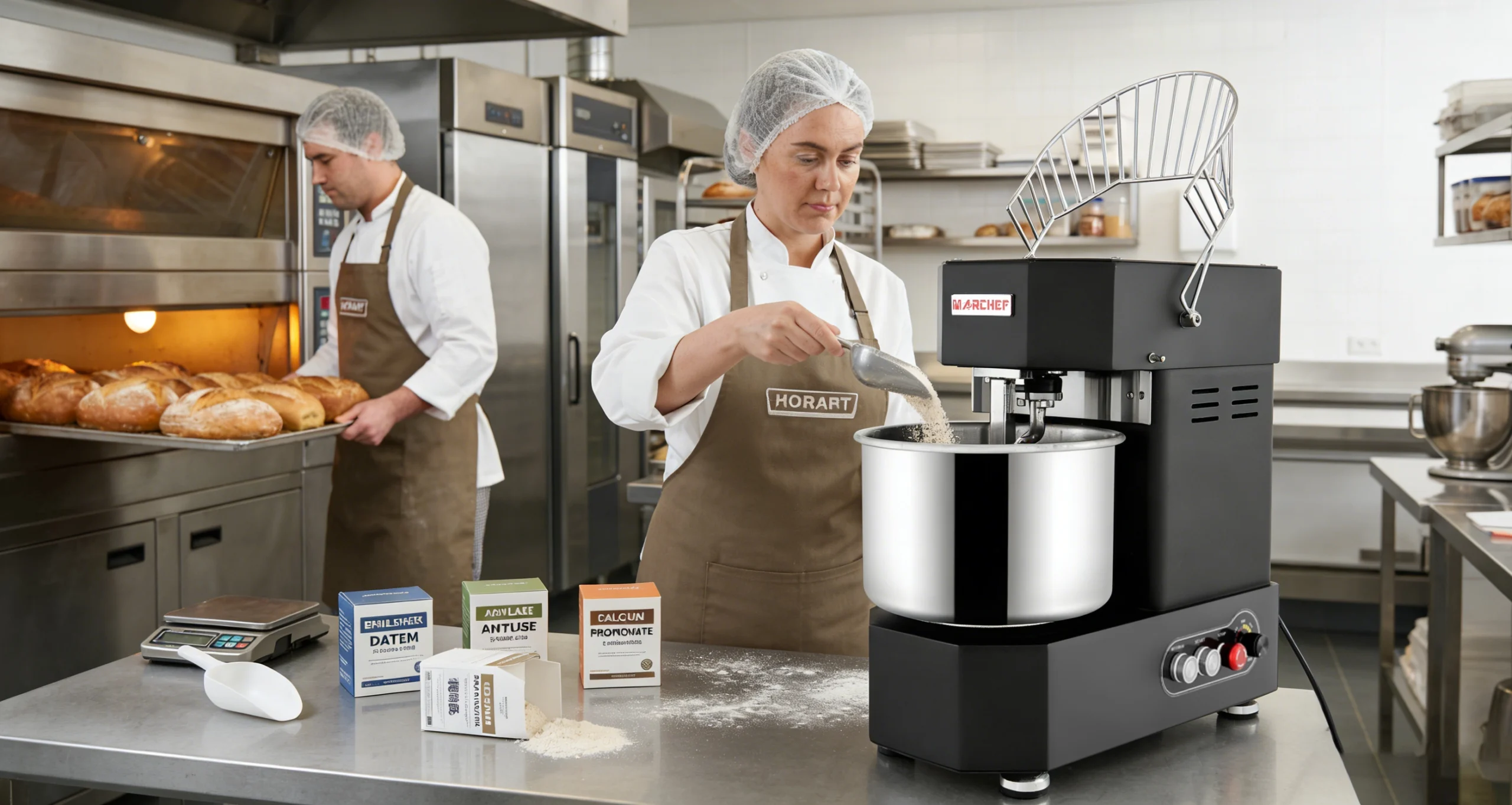
In my factories, we use a combination of science and tradition to extend the shelf life of our bread. Staling is a big problem for us, as I sell my products in Europe, Middle East and Southeast Asia, so the bread has to be transported for long distances. It’s caused by something called starch retrogradation. This is when the starch molecules in the bread reorganize themselves into a more rigid structure over time. This makes the bread hard and less enjoyable.
To combat this, we use emulsifiers. These ingredients help to keep water from moving away from the starch molecules. By keeping the water where it needs to be, emulsifiers help maintain the soft texture of the bread. We also use enzymes, which break down the starches and proteins in the bread. This also helps to keep the bread soft and prevents it from becoming stale too quickly.
I have also been experimenting with natural preservatives, like lactic acid bacteria and vinegar-based additives. These can help extend the shelf life of the bread while still keeping the ingredient list clean and natural. Also, my customer from Germany once told me that he really cares about the appearance and texture of the products, that is why I always have to spend time to make sure the bread has good appearance.
How to preserve bakery products?
Problem: You’re a bakery owner and want to reduce waste. Agitation: How can you keep your baked goods fresh for customers? Solution: There are several effective methods to preserve bakery products and minimize losses.
To preserve bakery products, consider modified atmosphere packaging, freezing, and using preservatives. Proper storage conditions and cleanliness also play a vital role in maintaining freshness and preventing spoilage.
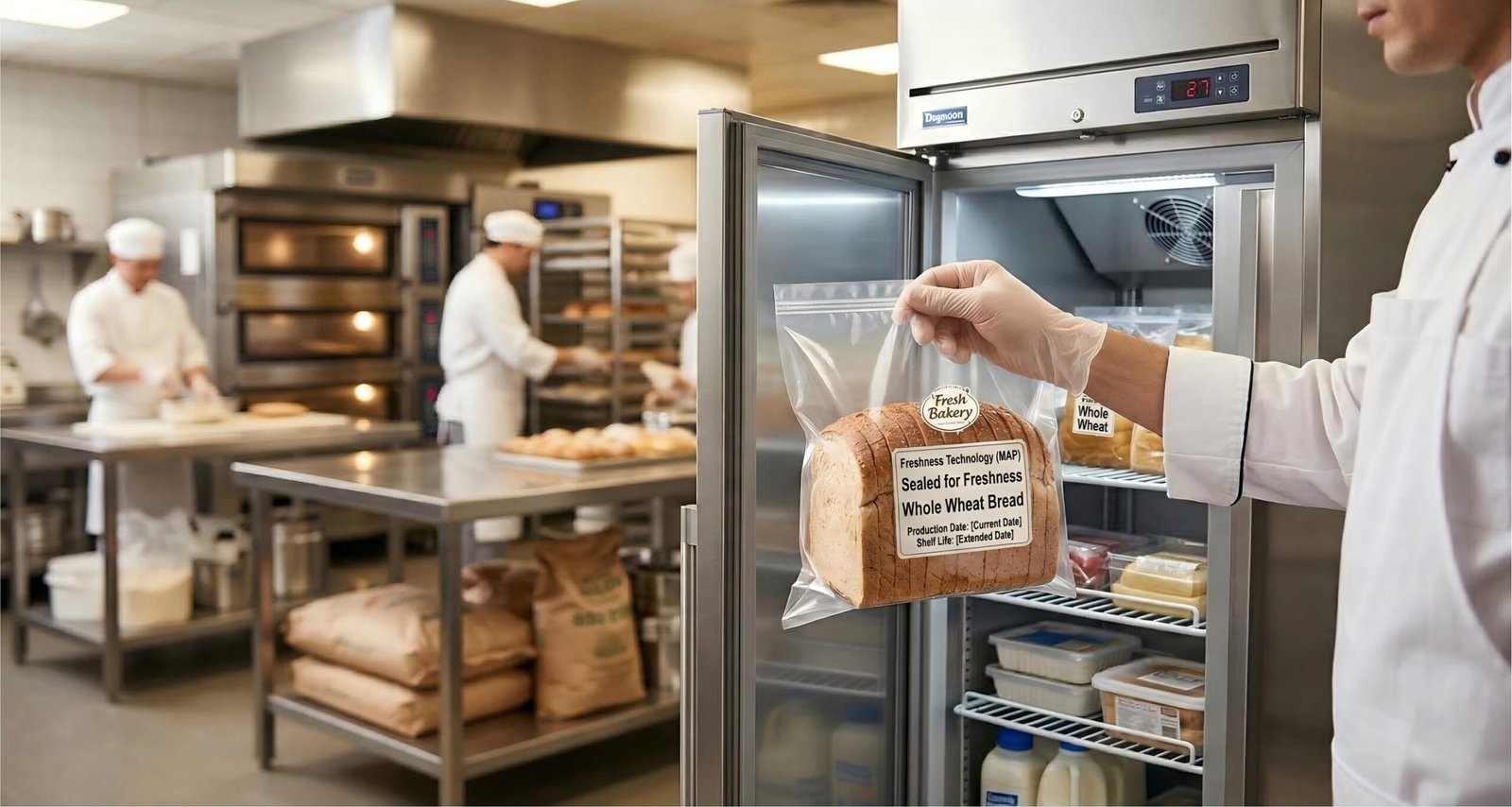
When I am thinking of ways of preserving bakery products, I need to consider what kind of bakery products I want to preserve, such as cakes, breads, and pastries. For our operations, cleanliness and sanitation are key to preserving bakery products. We make sure that our baking environment is spotless. This prevents mold and bacteria from contaminating the baked goods. We also focus on using good quality ingredients. High-quality ingredients tend to last longer and taste better.
For items with meat fillings, vacuum packaging is another great option. Vacuum packaging removes air, which inhibits the growth of aerobic microorganisms and prevents the oxidation of fats. This is especially important for baked goods that contain meat.
I am now looking into new technologies like cold atmospheric plasma (CAP). CAP can inhibit the growth of yeast and mold. However, it can also decrease the moisture content of the bread, so I have to find the right balance.
Also, my customer Claus once mentioned that certification is a key factor in purchasing decision, I am now looking into which certifications I can get.
What’s the best container for bread storage?
Problem: You want to keep your bread fresh at home. Agitation: Which type of container works best? Solution: The right container can significantly extend the life of your bread.
The best container for bread storage is a linen bread bag. Linen allows the bread to breathe, preventing moisture buildup that leads to mold. Avoid plastic bags, as they trap moisture and accelerate staling.
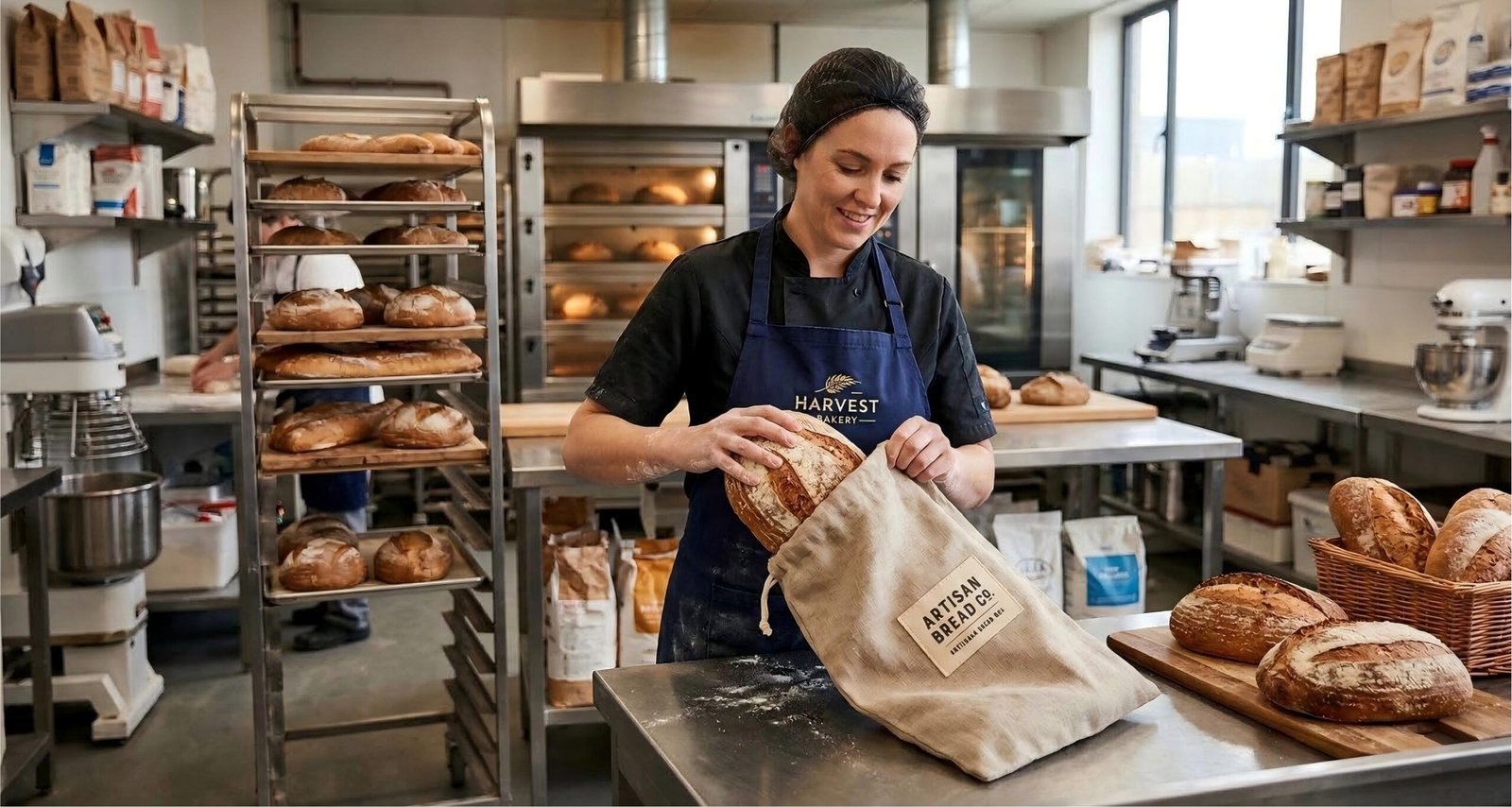
From my experience, when I am considering the best container for bread storage, I think of what my customers are looking for. Linen bread bags are breathable, which means they allow air to circulate around the bread. This prevents moisture from building up, which can lead to mold growth. Plastic bags, on the other hand, trap moisture. This creates a humid environment that is perfect for mold to grow.
If you don’t have a linen bread bag, a bread box can also work well. A bread box provides a dark, cool environment that helps to slow down staling. However, it’s important to make sure that the bread box is clean and dry.
I have also experimented with storing bread in the freezer. Freezing bread is a great way to keep it fresh for longer periods. However, it’s important to wrap the bread tightly before freezing it. This will prevent freezer burn.
Conclusion
Keeping bread fresh involves several techniques, including special packaging, ingredients, and storage methods. These methods ensure that the bread remains delicious and reduces waste.