
Are you thinking about induction cookers for your commercial kitchen? It’s a big decision. You want to make the right choice.
Induction cookers are becoming popular in commercial kitchens. They heat cookware directly, using electromagnetic energy. This makes them energy-efficient and fast.
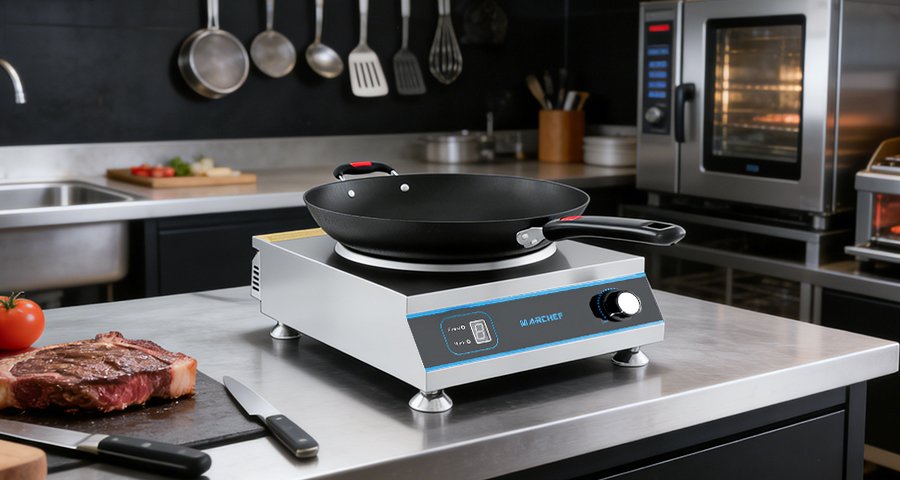
So, let’s explore whether induction cookers are a good fit for your kitchen. Keep reading to learn more.
Do Commercial Kitchens Use Induction Cooktops?
Thinking about upgrading your kitchen? You might be wondering if induction cooktops are common in restaurants.
Yes, commercial kitchens do use induction cooktops. They are valued for their efficiency and speed. Many chefs are switching to induction for better results.
Induction cooktops offer several advantages for commercial kitchens. They’re energy-efficient, using up to 90% of the energy to heat the cookware. This is much better than gas (around 40%) or electric stoves (around 70%). They also cook faster. Induction can boil water in about half the time it takes a gas cooktop.
Here’s a simple table to compare:
| Cooktop Type | Energy Efficiency | Cooking Speed |
|---|---|---|
| Induction | Up to 90% | Very Fast |
| Gas | Around 40% | Moderate |
| Electric | Around 70% | Moderate |
Plus, induction cooktops give you precise temperature control. This is key for making delicate dishes and preventing burning. The surface stays cool, which reduces the risk of burns. Cleaning is easy because food doesn’t burn onto the smooth surface. These features make induction a smart choice for busy commercial kitchens like mine will be.
Which Induction is Best for Commercial Use?
Choosing the right induction cooker can be tricky. You need something that can handle the demands of a busy kitchen.
For commercial use, look for induction units with heavy-duty construction. Conformal coated boards are essential to protect the electrical components from grease and moisture. Brands known for reliability are a good choice.
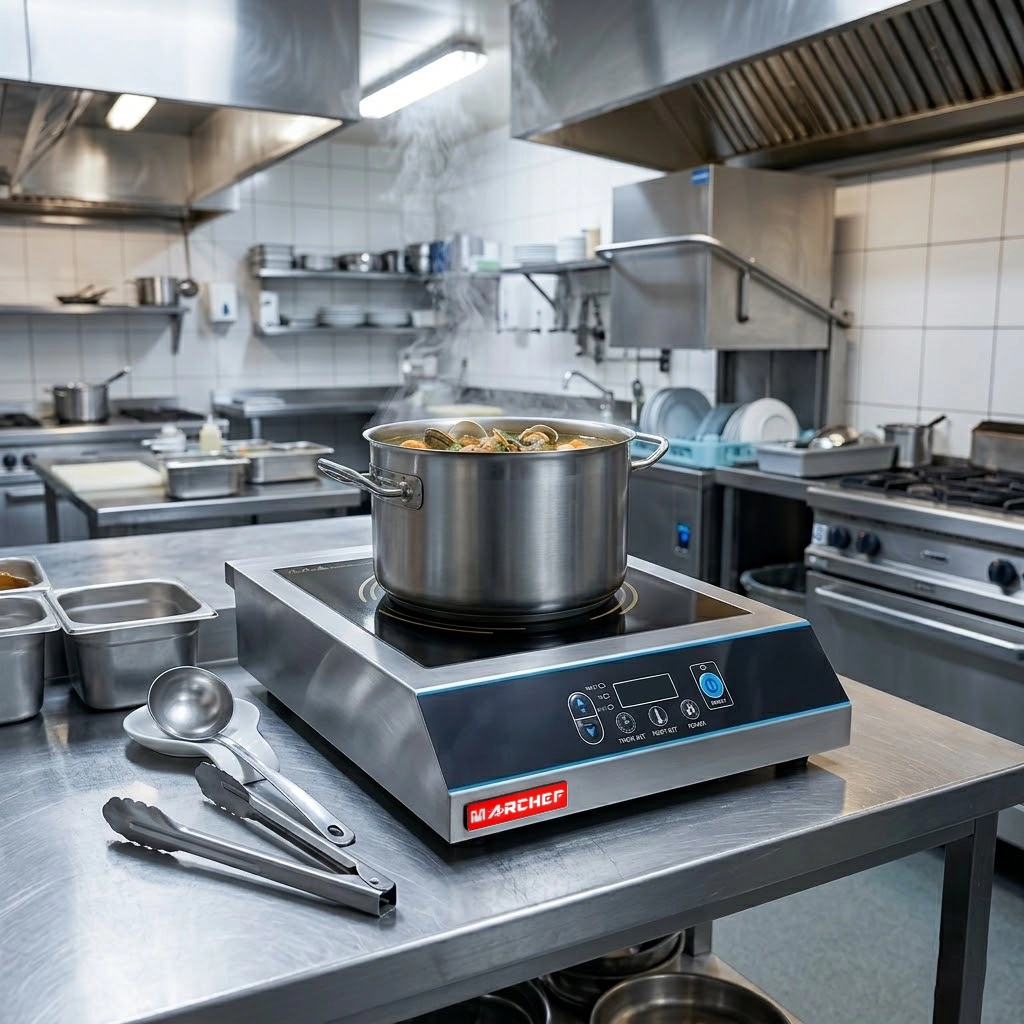
Commercial-grade induction units need to be tough. They should withstand constant use and harsh conditions. Features like conformal coated boards are important. These boards protect the electrical parts from grease and moisture, which are common in commercial kitchens. Look for brands that have a reputation for quality and durability.
Factors to consider include:
- Power: Choose a unit with enough power for your cooking needs.
- Size: Make sure it fits your available space.
- Controls: Opt for easy-to-use controls for quick adjustments.
- Durability: Check for robust construction and quality materials.
- Warranty: A good warranty can save you money on repairs.
I know that if I want to choose, I will consider more carefully according to these standards, otherwise it will be difficult to choose the equipment that suits me.
Do Professional Chefs Like Induction Cooktops?
Chefs can be picky about their equipment. Are induction cooktops something they actually like using?
Many professional chefs appreciate induction cooktops. They offer precise control and quick heating, which are important in a fast-paced kitchen. Some chefs still prefer gas for certain dishes, but induction is gaining popularity.
Professional chefs often value efficiency and control. Induction cooktops deliver both. The precise temperature control allows chefs to consistently prepare dishes to perfection. The rapid heating reduces cooking times, which is essential during busy service hours. However, some chefs are used to gas cooktops and prefer them for certain techniques. For example, they might like the visual feedback of a flame or the ability to use certain types of cookware.
Here’s a comparison of induction vs. gas from a chef’s perspective:
| Feature | Induction | Gas |
|---|---|---|
| Control | Precise | Less Precise |
| Speed | Fast | Moderate |
| Visual Feedback | Limited | High |
| Cookware | Specific | Versatile |
I will want to provide my chefs with the best of both worlds.
What is the Disadvantage of Induction Cooking?
Even with all the benefits, there are some drawbacks to consider. What are the downsides of induction cooking?
One disadvantage is the initial cost. Induction cooktops can be more expensive than gas or electric. They also require specific cookware with magnetic properties. Staff may need training to adapt to induction cooking.
While induction cooktops offer many advantages, there are some potential downsides. The initial cost can be higher than gas or electric cooktops. However, the long-term energy savings can help offset this cost. You also need to use specific cookware with a flat bottom and magnetic properties. This typically means stainless steel or cast iron. If your kitchen already has a lot of non-magnetic cookware, you’ll need to invest in new pots and pans.
Here’s a list of potential drawbacks:
- Initial Cost: Higher upfront investment.
- Cookware Requirements: Needs magnetic cookware.
- Learning Curve: Staff may need training.
- Maintenance: Requires regular cleaning and checks.
Also, maintenance is essential. Regular cleaning, checking electrical connections, and ensuring proper ventilation are important to prevent overheating.
Conclusion
Induction cooktops are efficient, fast, and safe. They’re a great option for commercial kitchens if you consider the costs and benefits.