
Commercial ovens are vital. They keep my business running. But what happens if you skip maintenance? Let’s explore oven care!
Neglecting oven cleaning leads to problems. This includes reduced efficiency and safety hazards. Regular maintenance prevents these issues.
Oven care may seem tough. But keeping your oven in top shape is doable. Next, let’s explore cleaning frequency.
What happens if you never clean the oven?
Ignoring oven cleaning? Big mistake. It can cause a lot of headaches. Let’s look at the potential issues.
If you never clean your commercial oven, food residue builds up. This can lead to smoke, bad odors, and even fires.
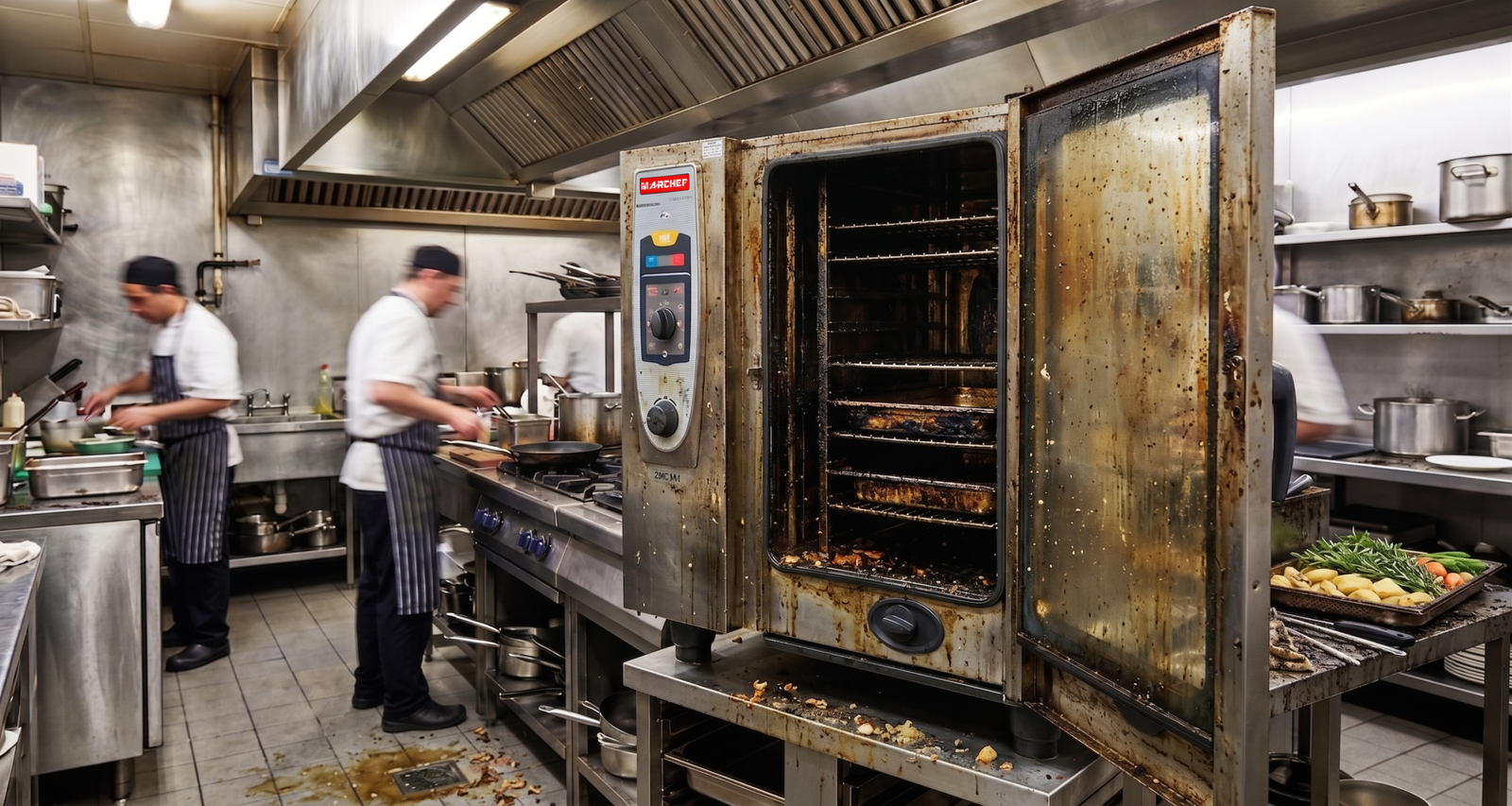
Skipping cleaning affects more than just hygiene. Firstly, your oven’s performance drops. Baked goods might cook unevenly. Secondly, energy costs rise. The oven works harder to reach temperature. Thirdly, the lifespan of the oven decreases. Accumulated grime damages components. Also, a dirty oven attracts pests. Cockroaches and rodents thrive in food debris. Plus, health inspectors frown on dirty ovens. It can result in fines or closures. Ultimately, neglecting cleaning is costly. It impacts quality, safety, and compliance.
To recap, here’s a quick overview:
| Consequence | Description |
|---|---|
| Reduced Performance | Uneven cooking, longer preheating times |
| Increased Costs | Higher energy bills, more frequent repairs |
| Health Risks | Pests, contamination, potential for foodborne illnesses |
| Safety Hazards | Smoke, fire risks, malfunctioning components |
Now you understand the risks. Cleaning is crucial. Now, let’s see how often you should clean.
How often should a commercial oven be cleaned?
Wondering how often to clean? It depends on usage. Let’s set a good cleaning schedule.
A commercial oven should have daily quick cleans. Weekly deep cleans are also necessary. This schedule ensures optimal performance.
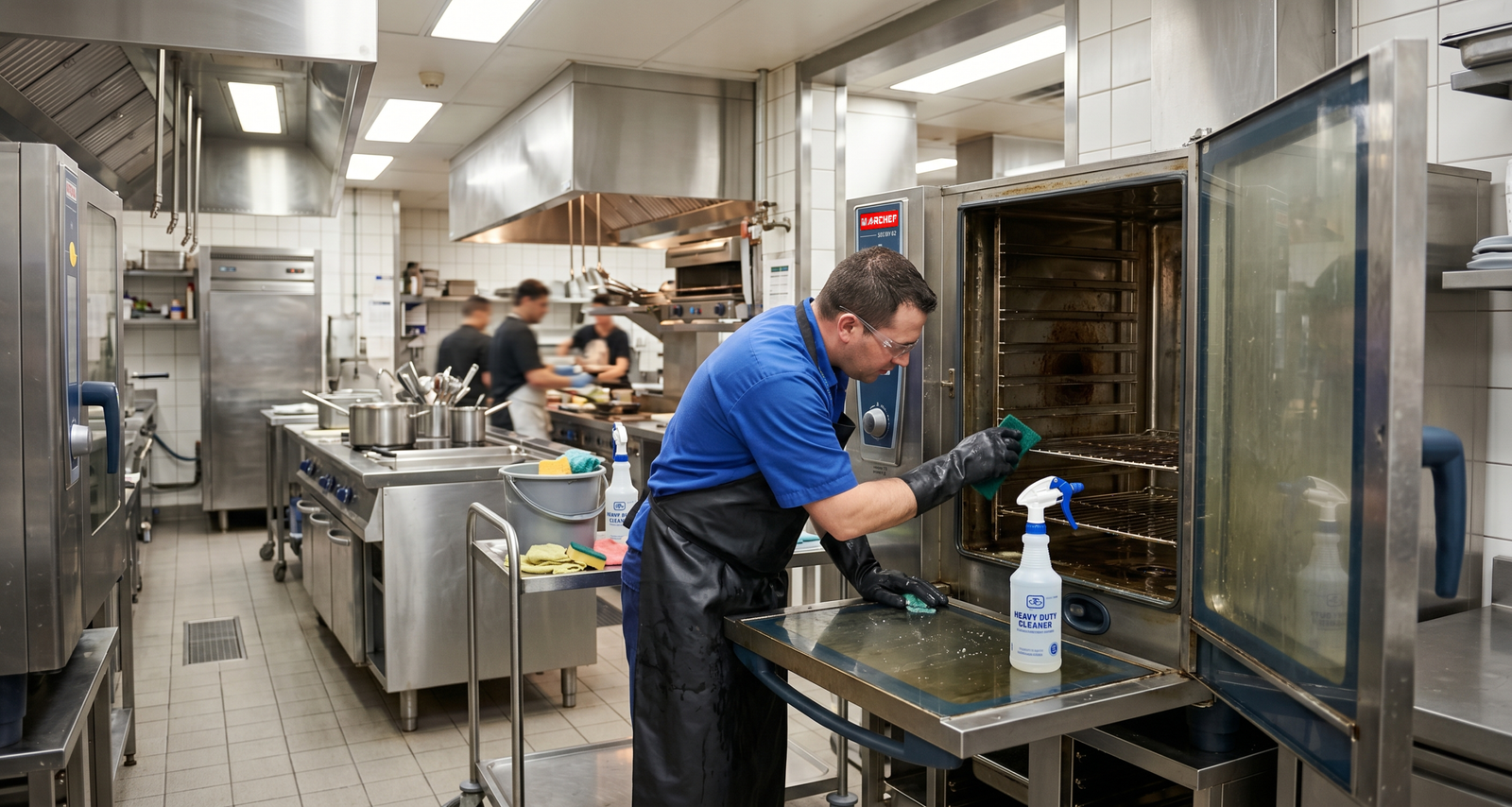
Daily cleaning is essential. I always remove food particles after each use. Wiping down surfaces prevents buildup. Weekly deep cleaning is also important. This includes removing racks and trays. Soaking them in a commercial cleaner works well. More frequent cleaning might be needed for high-use ovens. Cafeterias and busy restaurants need extra attention. On the other hand, for light use, adjust accordingly. Don’t forget monthly inspections. Check for wear and tear. Look at heating elements and gaskets. Proper scheduling keeps your oven efficient and safe. Remember, a clean oven produces better results.
Here’s a comparison of cleaning frequencies:
| Frequency | Task | Benefit |
|---|---|---|
| Daily | Wipe down surfaces, remove food particles | Prevents buildup, maintains hygiene |
| Weekly | Deep clean racks and trays, clean interior | Removes stubborn residue, ensures even cooking |
| Monthly | Inspect heating elements, check gaskets and seals | Identifies potential issues, prolongs oven lifespan |
So, cleaning often is key. But be careful! There are mistakes to avoid. Let’s discuss them next.
What are the common oven cleaner mistakes?
Using oven cleaners? It’s easy to mess up. Let’s avoid common errors for safety.
Common mistakes include using the wrong cleaner. Also, not ventilating the area is bad. Ignoring safety instructions is another.
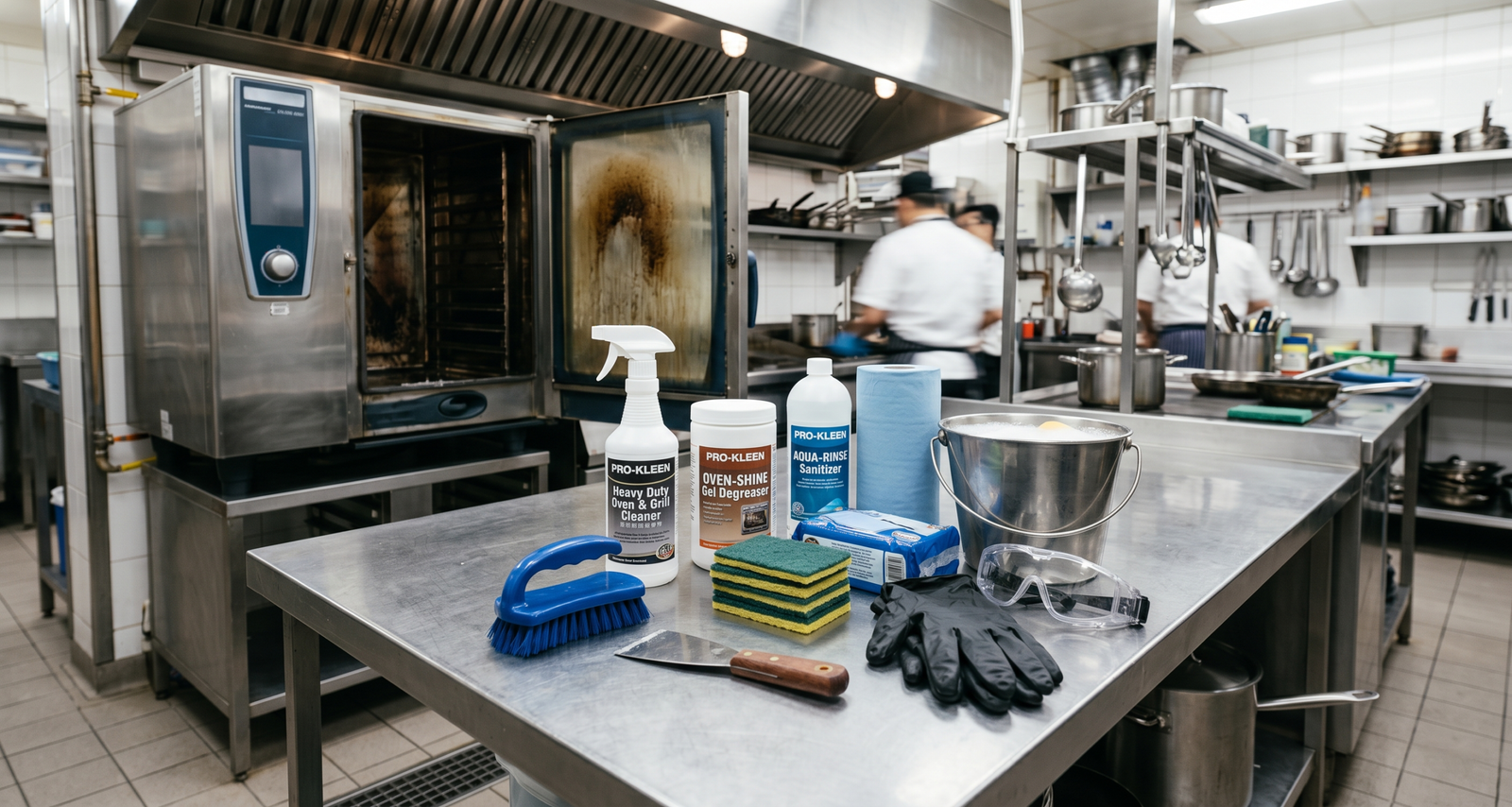
One mistake is using household cleaners in a commercial oven. These products might not be strong enough. Also, they can leave residue. Another issue is not wearing proper safety gear. Gloves and eye protection are essential. Ventilation is also vital. Some cleaners release harmful fumes. Ignoring the manufacturer’s instructions is a big error. Always read the label. Using too much cleaner is another problem. It can be hard to rinse off. Also, mixing different cleaners can be dangerous. It might create toxic gases. By avoiding these mistakes, you ensure safety and effectiveness.
Here’s a summary of common mistakes:
| Mistake | Consequence |
|---|---|
| Using household cleaners | Ineffective cleaning, potential residue |
| Not wearing safety gear | Exposure to harmful chemicals |
| Poor ventilation | Inhalation of toxic fumes |
| Ignoring instructions | Improper use, potential damage to the oven |
| Using too much cleaner | Difficult to rinse, potential for residue |
| Mixing different cleaners | Creation of dangerous gases |
Now you know what to avoid. Next, let’s focus on preventive maintenance.
What is the preventive maintenance of oven?
Preventive maintenance keeps your oven running. It saves money and time. Let’s explore the steps.
Preventive maintenance involves regular inspections. Checking components and timely repairs are key. This prolongs oven life.
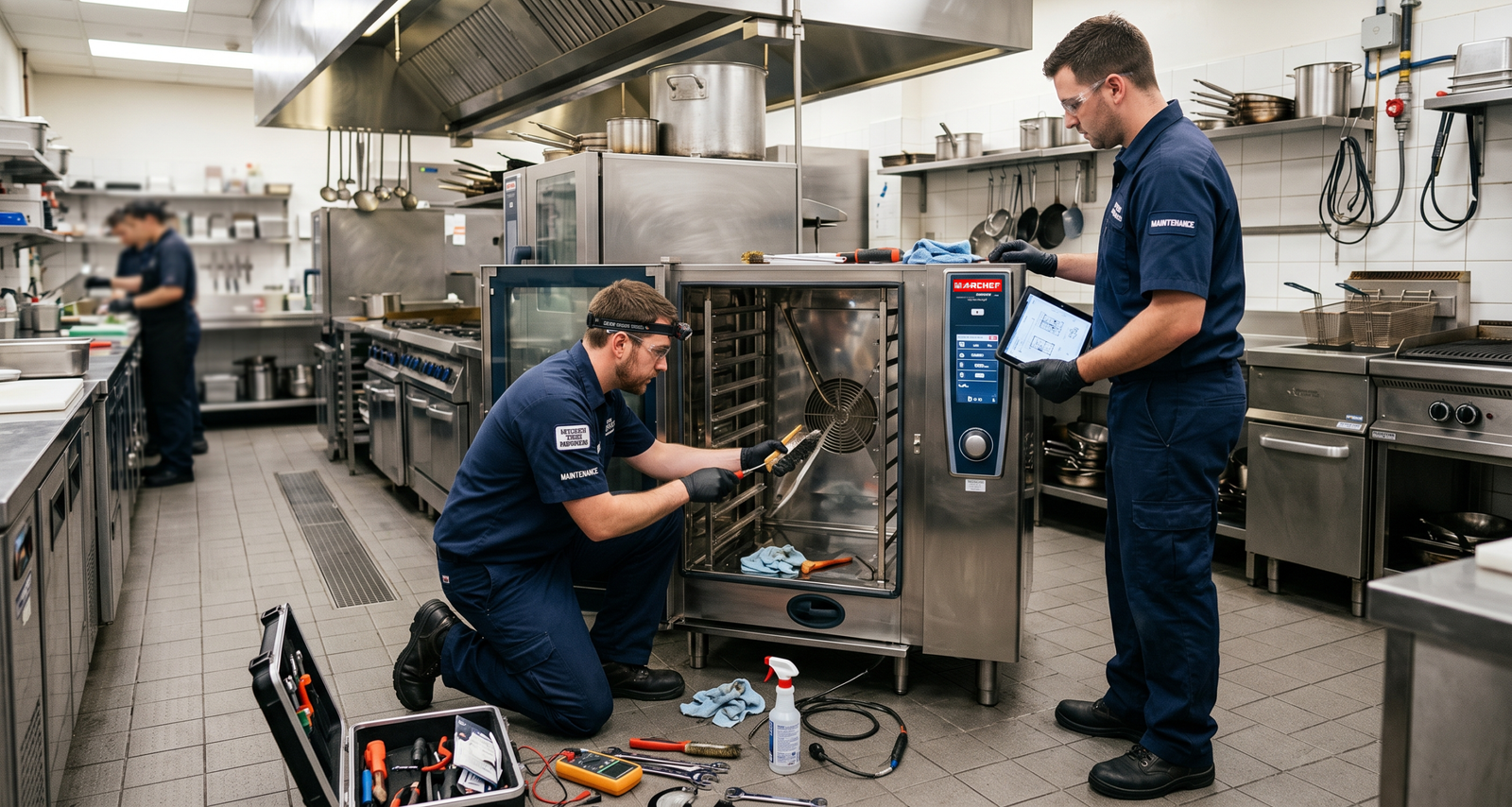
Regular inspections are the foundation. Check heating elements for damage. Look at door seals for leaks. Inspect gas lines for wear. Cleaning is part of prevention. Remove grease buildup regularly. Check the ventilation system. Ensure proper airflow. Lubrication is also important. Grease moving parts as needed. Calibration is crucial. Ensure the thermostat is accurate. Timely repairs prevent bigger problems. Replace worn parts quickly. Keep records of maintenance. This helps track issues. By following these steps, you minimize downtime. Preventive maintenance saves money in the long run.
Here’s a preventive maintenance checklist:
| Task | Frequency | Benefit |
|---|---|---|
| Inspect heating elements | Monthly | Identifies potential issues, prevents breakdowns |
| Check door seals | Monthly | Ensures proper insulation, saves energy |
| Inspect gas lines | Monthly | Detects leaks, prevents safety hazards |
| Clean ventilation system | Monthly | Maintains airflow, prevents overheating |
| Lubricate moving parts | Quarterly | Reduces friction, extends component lifespan |
| Calibrate thermostat | Annually | Ensures accurate temperature control, consistent cooking |
Now that you understand prevention, let’s discuss maintenance.
How to maintain a commercial oven?
Want to keep your oven in top condition? Maintenance is the answer. Let’s dive into the details.
Maintain your oven by cleaning daily. Inspect components weekly. Ensure proper ventilation. This maximizes efficiency.
Daily cleaning is essential. Remove food particles and wipe down surfaces. Weekly deep cleaning is crucial. Remove racks and soak them. Inspect and clean heating elements. Remove any debris with a soft brush. Check door gaskets regularly. Ensure a proper seal and prevent heat loss. Replace worn gaskets promptly. Ensure proper ventilation. Inspect and clean the ventilation system, including filters and vents. For gas ovens, inspect burners and pilot lights. Ensure they are clean and functioning correctly. Recalibrate the thermostat periodically. Inspect oven fan grids and clean them. Examine and maintain drain lines and pans. Check electrical connections and wiring. By following these steps, you ensure longevity and efficiency.
Here’s a detailed maintenance schedule:
| Task | Frequency | Details |
|---|---|---|
| Daily Cleaning | Daily | Remove food particles, wipe down surfaces |
| Weekly Deep Cleaning | Weekly | Remove and soak racks, clean interior with commercial cleaner |
| Inspect Heating Elements | Weekly | Check for damage, remove debris with soft brush |
| Check Door Gaskets | Weekly | Ensure proper seal, replace worn gaskets |
| Inspect Ventilation System | Monthly | Clean filters and vents, ensure proper airflow |
| Inspect Burners and Pilot Lights | Monthly | Clean burners, ensure proper functioning of pilot lights (gas ovens) |
| Recalibrate Thermostat | Annually | Ensure accurate temperature control |
| Inspect Oven Fan Grids | Monthly | Clean fan grids to prevent grease buildup |
| Examine Drain Lines and Pans | Monthly | Ensure they are free of blockages and standing water |
| Check Electrical Connections | Quarterly | Check for damage and loose connections |
Conclusion
Regular oven maintenance is important. It keeps your business running smoothly. A well-maintained oven ensures quality and safety.