
A problem: Using commercial gas equipment without knowing safety can be risky. Solution: Knowing the precautions helps keep things safe and prevents accidents. So, how can you use commercial gas equipment safely?
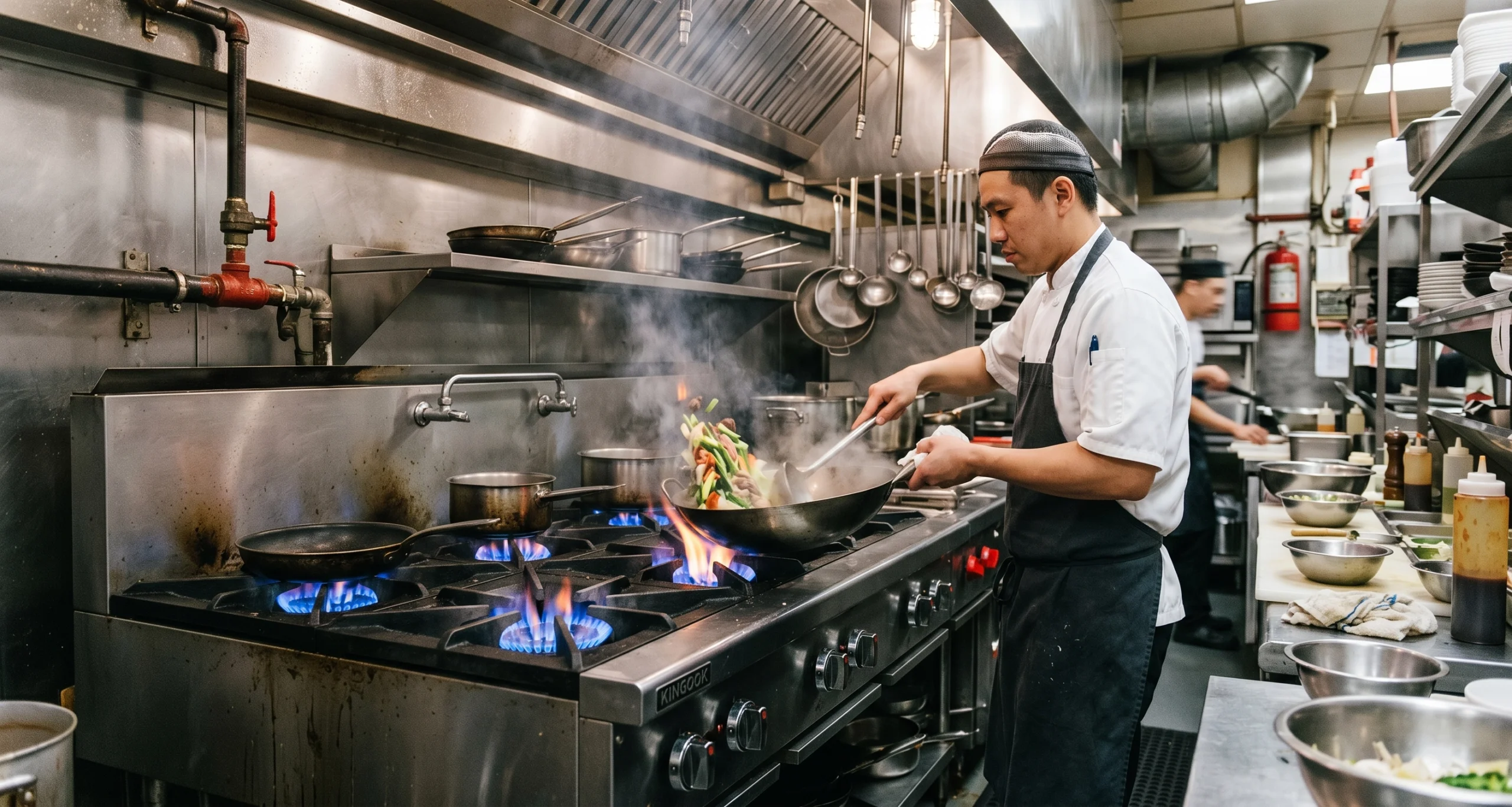
To use commercial gas equipment safely, ensure good ventilation, regularly clean equipment, and know the signs of gas leaks. Also, use certified equipment and have emergency procedures in place. These steps help prevent accidents and keep your kitchen safe.
If you want to know more, keep reading.
What Are the Precautions to Be Taken While Using Gas?
Problem: Gas can be dangerous if not handled properly. Solution: Taking precautions reduces risks and keeps everyone safe. Want to know the best ways to stay safe while using gas?
When using gas, make sure there is good ventilation. Also, check for leaks regularly and never leave gas appliances unattended. Knowing these precautions can save lives.
Let’s dig deeper. One thing I always focus on is maintaining a safe distance between equipment and other materials.
Maintaining Safe Clearance
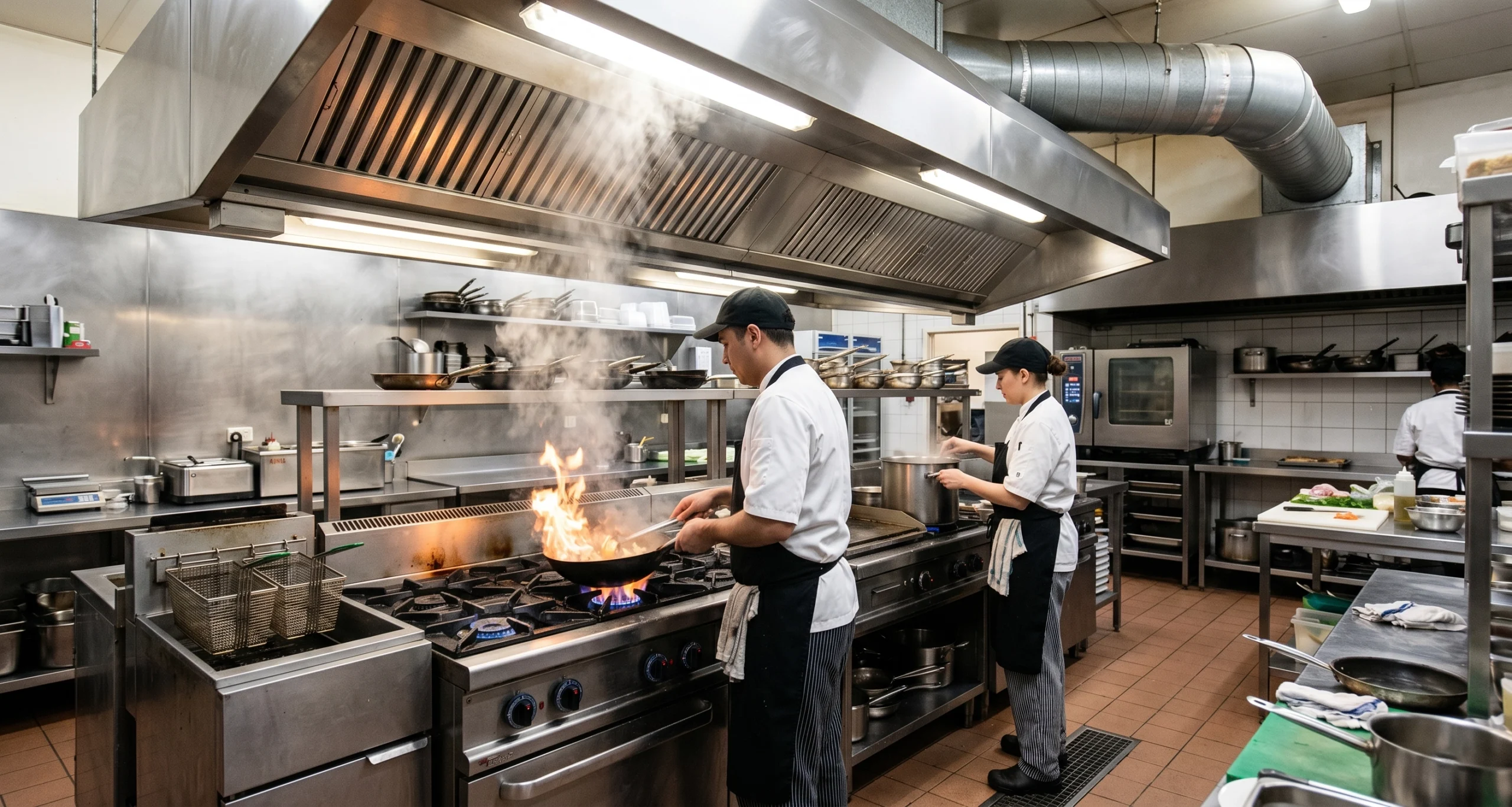
When setting up your commercial kitchen, clearance is key. I make sure gas cookers and hotplates have enough space from anything that can burn. Range hoods should be at least 600mm above the appliances. This prevents fires. Canopy hoods should be at least 2 meters from the ground. They should also extend 300mm beyond the edges of the appliance. This ensures they effectively remove fumes.
| Equipment | Clearance Requirement | Purpose |
|---|---|---|
| Gas Cookers/Hotplates | Adequate space from combustible materials | Prevent fires |
| Range Hoods | At least 600mm above appliances | Prevent fires |
| Canopy Hoods | At least 2 meters from ground, 300mm beyond edges | Efficient fume removal |
These clearances are not just suggestions. They are critical for safety. I always double-check these measurements during installation. They help create a safer working environment.
What Are the Key Safety Precautions to Follow in a Commercial Kitchen?
Problem: Commercial kitchens have many hazards. Solution: Following safety precautions minimizes these hazards. What are the most important safety measures to follow in your kitchen?
In a commercial kitchen, key safety precautions include having emergency procedures, using certified equipment, and maintaining good ventilation. Also, regular cleaning and leak detection are crucial. These steps keep your kitchen safe and compliant.
There’s even more to think about. Emergency procedures are especially important.
Implementing Emergency Procedures
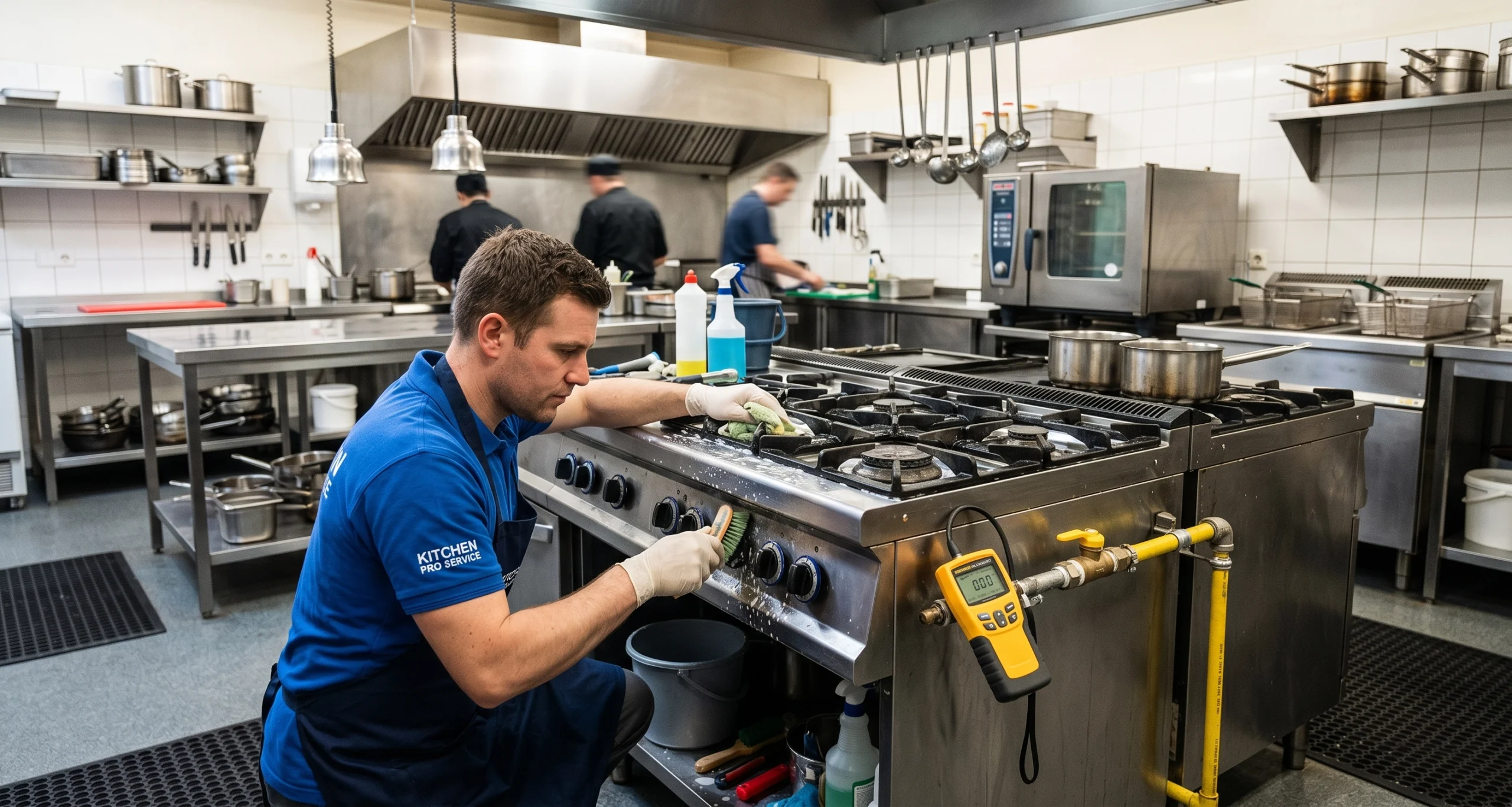
Having emergency procedures in place can save lives. I always make sure there are emergency isolation valves (EIV) or stop buttons. These should be easily accessible and clearly marked. Safety notices should also be visible. Regular cleaning of gas ovens and burners prevents gas port blockages. This ensures the equipment works efficiently and safely.
| Emergency Procedure | Details | Importance |
|---|---|---|
| Emergency Isolation Valves | Accessible and clearly marked | Immediate gas shut-off in emergencies |
| Regular Cleaning of Gas Ovens | Prevents blockage of gas ports | Ensures efficient and safe operation |
| Safety Notices | Visible and informative | Provides quick reference during emergencies |
I personally check these procedures with my team regularly. It’s not enough to just have them; everyone needs to know how to use them. This preparation makes a big difference in an emergency.
What Precautions Should We Take While Using a Gas Stove?
Problem: Gas stoves can be dangerous if misused. Solution: Taking precautions reduces risks and keeps you safe. What specific precautions should you take with a gas stove?
When using a gas stove, ensure proper ventilation, keep flammable materials away, and never leave it unattended. Also, regularly clean the burners and check for gas leaks. These steps can prevent accidents and ensure safe cooking.
Let’s look at gas leak detection more closely.
Monitoring for Gas Leaks
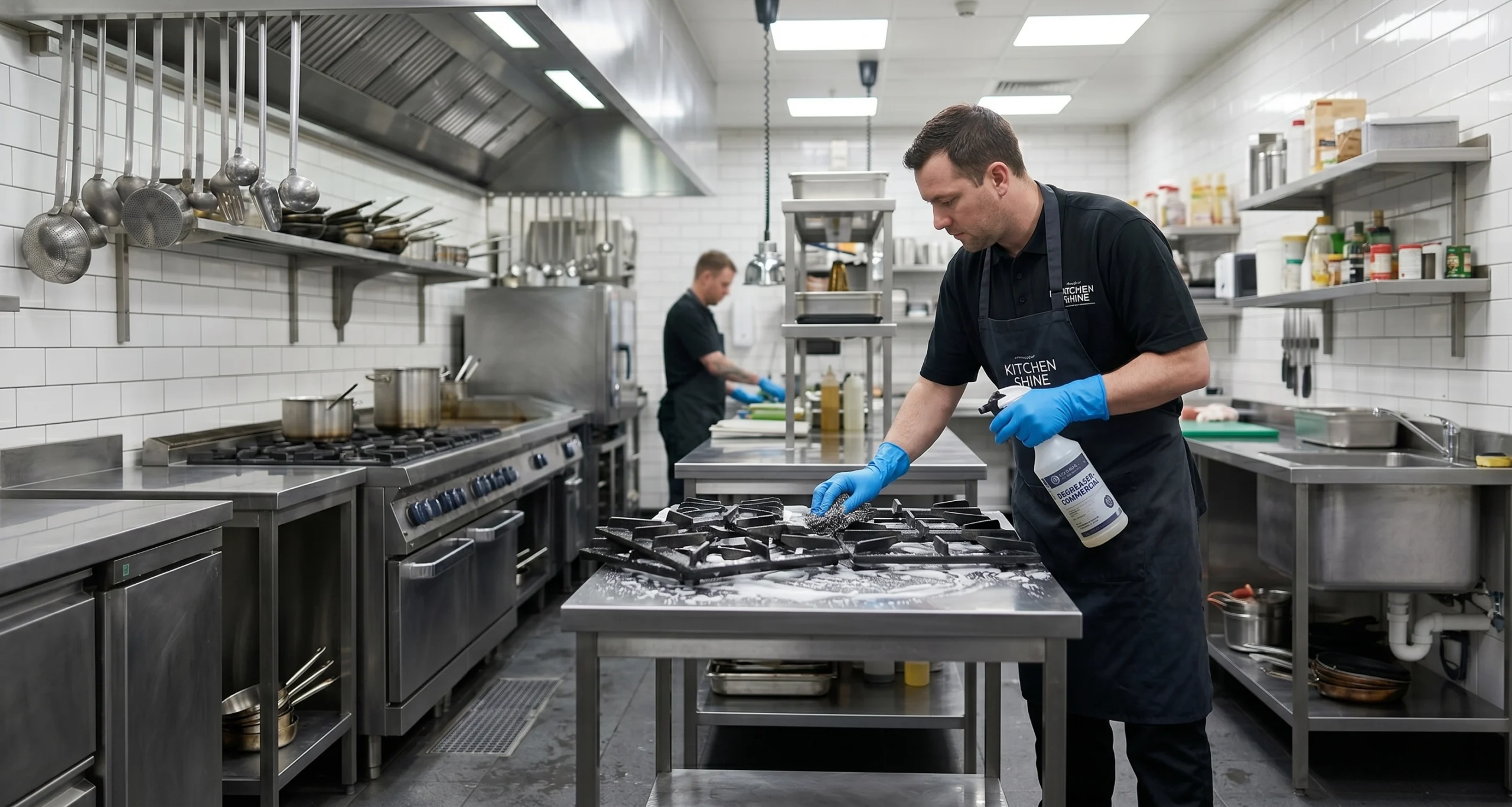
Gas leaks can be deadly. That’s why I always recommend installing LPG gas detectors. These detectors use catalytic, pelister, and semiconductor sensors. They monitor for gas leaks. It’s also important to be alert for signs of gas leaks. These signs include whistling sounds, sulfurous odors, yellow flames, appliance burns, and increased gas bills.
| Gas Leak Sign | Description | Action |
|---|---|---|
| Whistling Sounds | Unusual noise near gas lines or appliances | Investigate immediately |
| Sulfurous Odors | Smell of rotten eggs | Evacuate and call emergency services |
| Yellow Flames | Gas flames should be blue, not yellow | Check gas-to-air mixture |
I remember one time I smelled gas in the kitchen. I immediately checked the connections and found a loose fitting. Tightening it solved the problem. This experience taught me the importance of staying vigilant.
What Are 5 Key Safety Points When Using a Gas Cooker?
Problem: Knowing key safety points is crucial for safe gas cooker use. Solution: Following these points prevents accidents. What are the five most important safety points to remember?
Five key safety points for using a gas cooker are: use commercial-grade equipment, ensure flame failure devices are in place, maintain adequate ventilation, store gas cylinders safely, and regularly inspect equipment. These precautions ensure a safe cooking environment.
There are additional aspects to consider, like ventilation.
Ensuring Adequate Ventilation
Adequate ventilation is essential for fume removal and complete combustion. I always check CO2 levels to ensure they are less than 2800ppm. This helps maintain air quality. Also, storing gas cylinders upright in ventilated areas, away from heat sources, is important. Regular inspection and servicing of gas pipelines, valves, and appliances prevents leaks and malfunctions.
| Safety Point | Details | Importance |
|---|---|---|
| Commercial-Grade Equip. | Use only equipment with CE or UKCA marking | Ensures compliance and safety |
| Flame Failure Devices | LPG equipment must have FFDs | Automatically cuts off gas supply if flame goes out |
| Ventilation | CO2 levels less than 2800ppm | Maintains air quality |
| Gas Cylinder Storage | Upright, ventilated areas, away from heat | Prevents leaks and explosions |
| Regular Inspection | Check pipelines, valves, and appliances regularly | Prevents malfunctions |
Once, a restaurant I worked with had poor ventilation. The CO2 levels were dangerously high. We installed a better ventilation system, and the air quality improved dramatically. This highlighted the importance of good ventilation.
Conclusion
To sum it up, safely using commercial gas equipment means focusing on ventilation, maintenance, and emergency preparedness. These steps can prevent accidents and keep your kitchen safe.